
Waterton Lakes National Park worth visiting? 3 reasons Waterton is a must-see
If you’ve ever wanted to experience the splendour of the Canadian Rockies but without the commercial pomp of Banff or Jasper, Waterton Lakes National Park is the perfect alternative. It’s one of the crown jewels of ...
Is Waterton Lakes National Park worth visiting? 3 reasons Waterton is a must-see.
If you’ve ever wanted to experience the splendour of the Canadian Rockies but without the commercial pomp of Banff or Jasper, Waterton Lakes National Park is the perfect alternative. It’s one of the crown jewels of the Canadian park system and absolutely worth your time.
Located in Southern Alberta, just at the Montana, U.S. border and only about two hours south of Calgary, Waterton boasts some of North America’s most scenic peaks, alpine meadows, and glittering lakes.
From its local population of large predators (think grizzly bears and cougars!) to its rich Indigenous history, Waterton National Park has limitless reasons to visit. Here are our top three:
1. Flower power and the biodiversity of Waterton
One of Waterton’s biggest flexes is the abundance of wildflowers that dot its diverse terrain, many of which are only found in the region.
In fact, Waterton has over 1,000 vascular plant species. Let’s put that into perspective: The entire province of Alberta has around 1,600 species of vascular documented plants. That means over 60% of Alberta’s biodiversity can be found within the confines of this 505 square kilometre national park (compared to Alberta’s 661,848 square kilometres).
Wildflowers can be seen at different elevations throughout the year. The best time to catch them in bloom is during early spring (April through June), when they sprout along trails, meadows, and roadsides. Some of our favourites include:
Beargrass and Richardson’s geranium are found at lower elevations in the montane natural subregion.
As we climb higher into the subalpine areas, we love seeing the delicate white mountain avens.
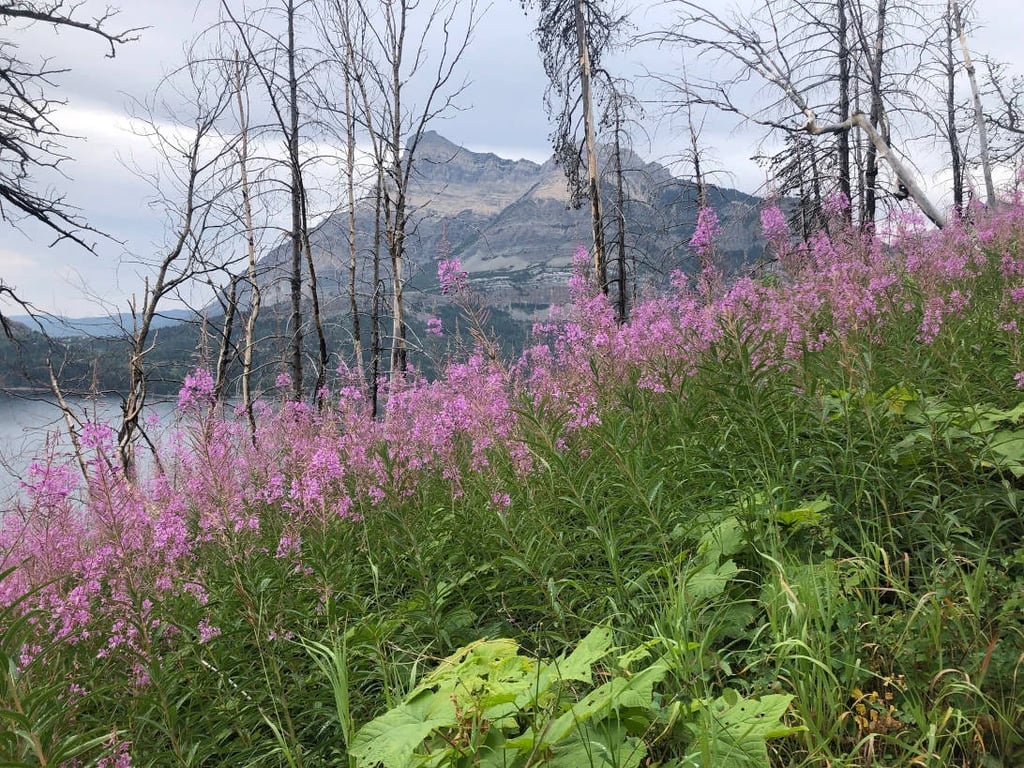
Wildflowers growing in Waterton Lakes National Park.
2. The deepest lake in the Canadian Rocky Mountains
Upper Waterton Lake is not only the deepest lake in the Canadian Rockies (148 metres at its deepest point), but it’s also the largest glacial trough lake in Canada—and it has a fascinating story to tell.
Waterton National Park has a deep-rooted Indigenous presence, with evidence of First Nation people at the site dating back over 10,000 years. Water was critical to their nutrition, transportation, and recreation. The Ktunaxa Nation called Upper Waterton Lake “Old Women Lake” due to its quietness and the white caps resembling gray hair.
From a rocky outcrop just outside of the Watertown townsite, the historic Prince of Wales Hotel overlooks Upper Waterton Lake. The glacial lake is home to countless unique wildlife habitats, sustains endangered and threatened species, and encourages outdoor recreation activities for us humans.
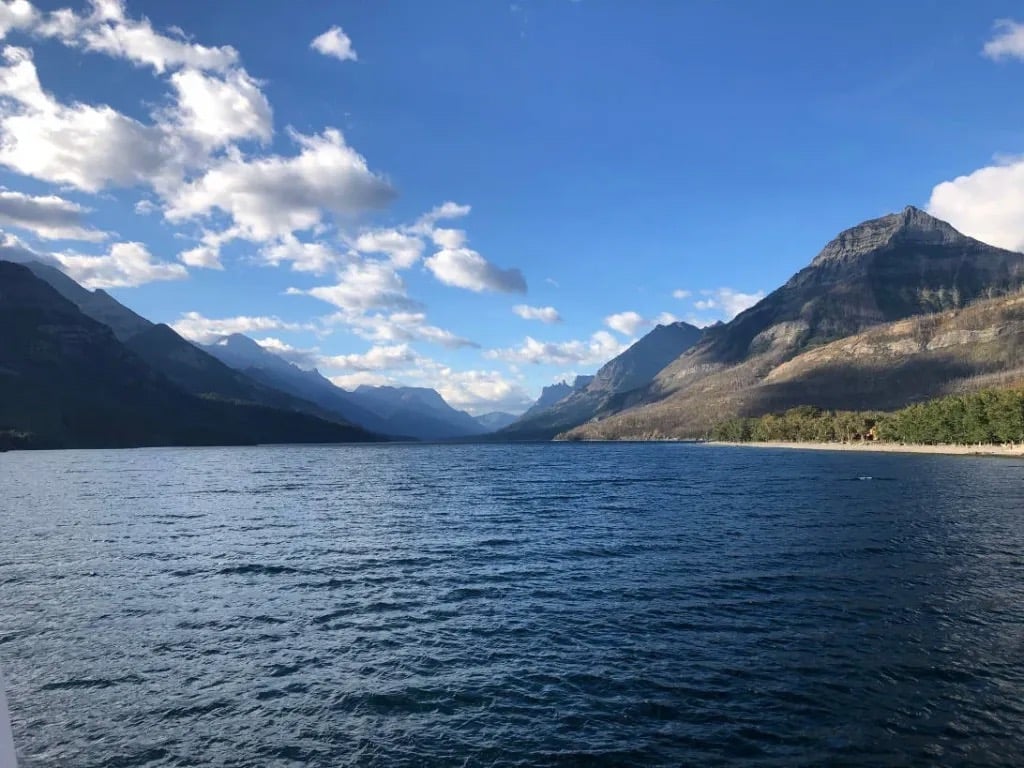
Looking towards the U.S. from the Waterton Shoreline Cruise.
3. Where nature and history meet
The story of how Waterton became the national treasure it is today is a tale of adventure and masterful diplomacy, and it’s an eye-opening experience to learn about its history. It all started in 1858, when Thomas Blakiston, a explorer who was part of the Palliser Expedition (a British mission exploring parts of western Canada in the late 1850s), travelled to what is now Waterton Lakes National Park. He wasn’t the first white person to travel to Waterton, but he is credited for naming it. And no, he didn’t name it for the ecological, scenic, and recreational significance of water in the park—he named it after his friend Charles Waterton, a British naturalist who, ironically, had never even visited the region.
When thinking about the history of other parks in the Canadian Rockies, the fur trade was instrumental to Jasper’s establishment. Banff quickly developed into a tourist attraction. And Waterton? Its legacy is being the first International Peace Park in the world. In 1932, Waterton Lakes National Park and neighbouring Glacier National Park in Montana, U.S., combined to form the Waterton Glacier International Peace Park.
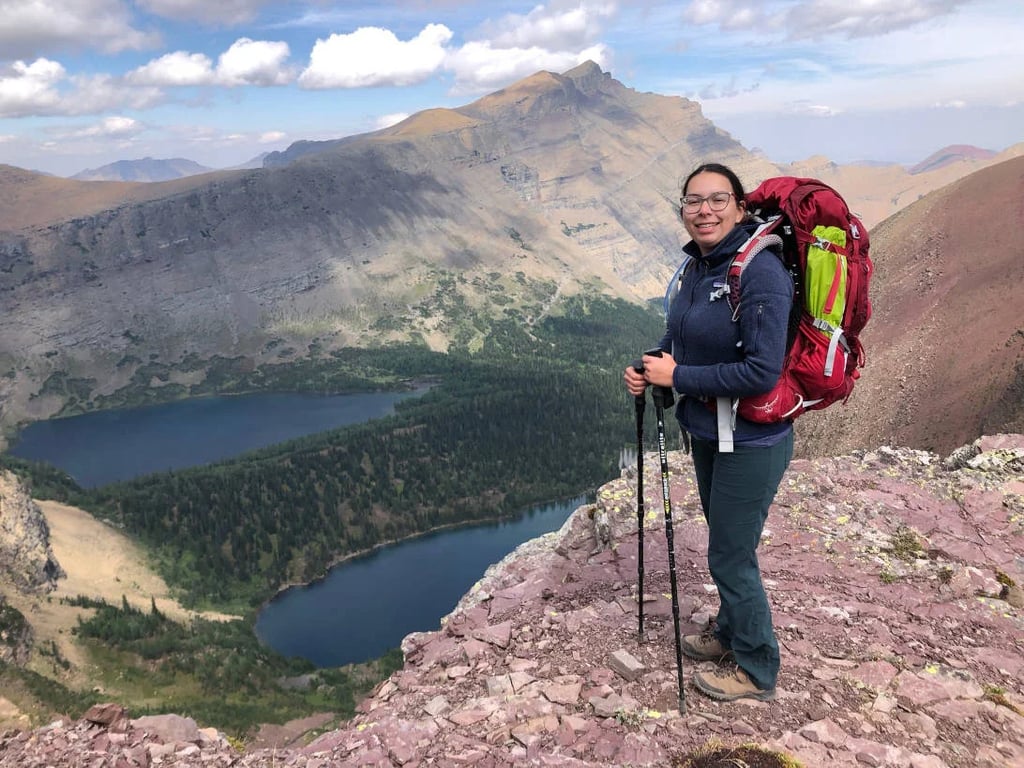
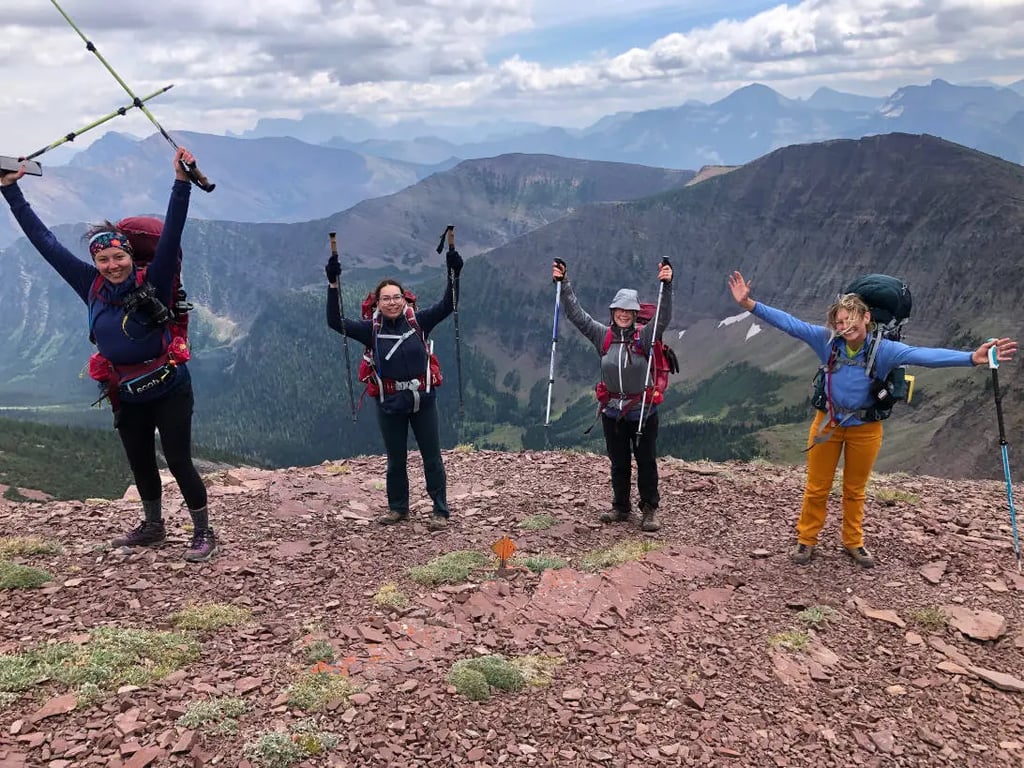
Making new history as we go backpacking in Waterton and look down on Lineham Lakes.
What is an International Peace Park?
It’s a designated area where two countries agree to cooperate peacefully to resolve matters related to natural resources. Waterton is one of only four international peace parks on the U.S.-Canada border, the other three being the Peace Arch Park in Washington/British Columbia; the International Peace Garden in North Dakota/Manitoba; and Roosevelt Campobello International Park in Maine/New Brunswick.
Today, Waterton holds several world titles, from International Dark Sky Park to UNESCO World Heritage Site, and continues to inspire visitors from around the world.
Things to do in Waterton
The story doesn’t end there. If you’re wondering what to do in Waterton, Waterton Tours by Uplift Adventures’ interpretive tours and guided day hikes in Waterton Lakes National Park showcase these unique features (and many others!) and our expert guides are excellent at sharing why this national park is worth visiting.
© 2018-2026 Waterton Tours | Operated by Uplift Adventures Inc. | All Rights Reserved | Explore with Purpose | Web Development by Colour Infusion | Privacy Policy


Operated by


In partnership with
Waterton Tourism Official Site